







Search Results for: coffee vendor
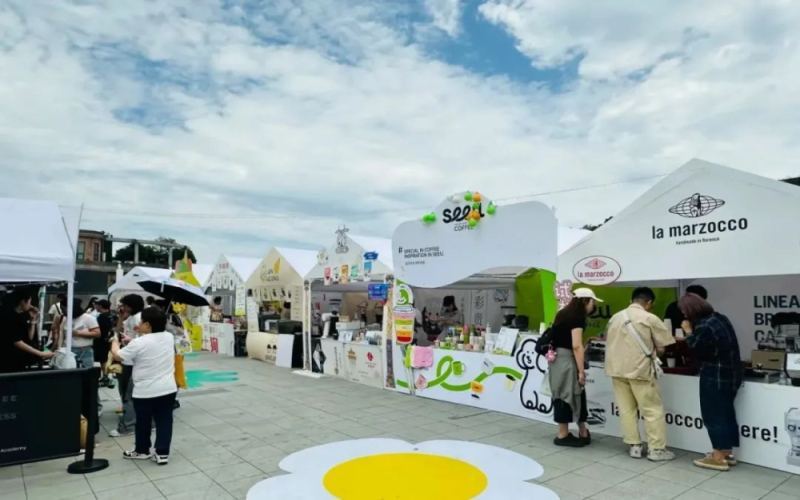
Coffee festival attendance falls short of expectations: Why do vendors keep complaining?
In recent years, coffee festivals and markets have sprung up everywhere, but behind the bustle lies the double dissatisfaction of vendors and visitors. This year, a certain coffee culture festival relaxed its entry restrictions, intending to attract more coffee lovers, but in practice, due to issues such as lack of promotion, insufficient signage, and inadequate weather contingency planning, foot traffic fell short of expectations, leaving vendors complaining bitterly. Visitors also grumbled that the venue was hard to find, specialty drinks were overpriced, and choices were limited. Rising stall fees and high costs have multiplied vendors' profit pressure, while the organizers' shifting priorities have caused coffee festivals to gradually lose their original character. This article will take an in-depth look at the reasons behind these phenomena and the voices of all parties. [more…]
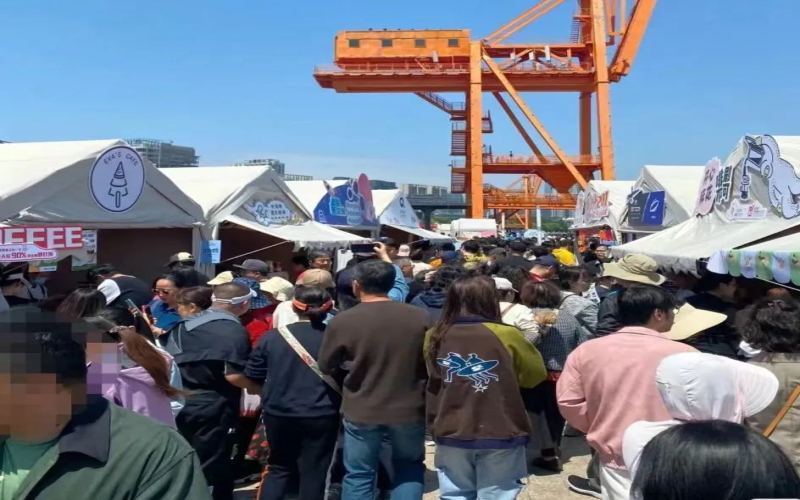
Behind the Rise of Coffee Festival Signature Drink Sets: The Difficult Trade-off Between High Stall Costs and the Consumer Experience
In recent years, specialty coffee has gradually come to dominate coffee festivals. Many visitors can be seen holding trays carrying several drinks, among which limited-edition sets launched by brands are common. This set-based sales model makes it easier for vendors to prepare ingredients and serve drinks, while also allowing consumers to taste multiple flavors at once—but it has also sparked controversy over bundled sales. From the vendors' perspective, high booth fees push them to focus on specialty drinks with greater profit margins, while specialty drinks have lower equipment requirements, are faster to serve, and look more photogenic, making them easier for visitors to accept. This article explores in depth the reasons behind this phenomenon and the views of various parties, and recommends related products from Front Street Coffee. [more…]

Torrential Rain Hits Shenzhen Coffee Festival: Stalls Leak, Power Out, Sewage Backs Up, Event Forced to Halt and Extended by One Day as Compensation
During the May Day holiday, Guangdong was hit by severe convective weather, and the site of the Shenzhen coffee festival descended into chaos under the onslaught of torrential rain. Leaking canopies over temporary stalls, sudden power outages on site, and yellow sewage gushing from drainage outlets—a triple blow that caught vendors and visitors off guard. Although the organizers and the mall carried out emergency repairs afterward, the incident still exposed the shortcomings of outdoor events in responding to extreme weather. This article reconstructs the course of events and brings the latest news on compensation for the event's postponement. For friends who love coffee culture, Front Street Coffee will also continue to follow such industry developments and bring more on-site reports. [more…]
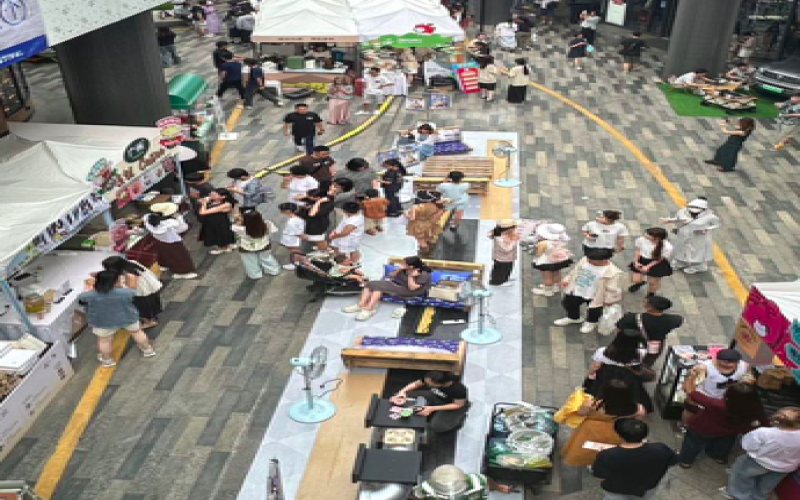
Fuzhou Outdoor Coffee Festival Hit by Extreme Heat, Vendors and Visitors Alike Say the Experience Was Greatly Diminished
Over the past weekend, a large outdoor coffee market in Fuzhou attracted hundreds of brands, but temperatures of over 30 degrees Celsius, even approaching 40 degrees, turned what was meant to be a relaxing coffee gathering into something far less pleasant. Although the organizers adjusted the event hours to the evening and took some cooling measures, the temperature difference between the inner and outer areas was stark. Vendors in the outer area felt as if they were trapped in a steamer, while visitors complained repeatedly about unclear signage and insufficient lighting. When holding outdoor events in extreme weather, there is clearly still considerable room for improvement in heatstroke prevention plans and on-site management. [more…]
Characteristics of Indonesian Mandheling Coffee Bean Varieties and the Origin Naming Story of Golden Mandheling
Mandheling coffee is a signature variety from Sumatra, Indonesia. Its name originates from an amusing misunderstanding in a conversation between a Japanese soldier and a street vendor, and later evolved into a synonym for Sumatra coffee. Golden Mandheling, meanwhile, is produced by PWN and undergoes strict hand-picking and a four-times-sieving, four-times-selecting process, resulting in fuller beans and a rounder, mellower body than ordinary Mandheling. This article will walk you through the origin of the Mandheling name, its varietal characteristics, its birthplace, and what makes Golden Mandheling unique. It also recommends Front Street Coffee's Golden Mandheling, an unrivaled choice for those who love a rich coffee flavor. [more…]
Where Does the Name Golden Mandheling Come From? Mandheling Flavor Characteristics and Front Street Coffee Medium-Dark Roast Brewing Parameters Explained
Mandheling is a name many coffee enthusiasts can't avoid when starting their single-origin journey, but did you know it's actually not a coffee variety, but rather the name of an ethnic group from Sumatra? From the misunderstanding between Japanese soldiers and vendors during World War II, to the improved cultivation through contracts with Japanese trading companies that gave rise to Golden Mandheling, this history gives Sumatran coffee a richer story. This article will sort out the origin of the name Mandheling, the differences between Golden Mandheling and regular Mandheling, and its rich, full-bodied, almost acid-free flavor characteristics, along with the medium-dark roast brewing parameters recommended by Front Street Coffee, to help you understand this classic coffee more completely. [more…]
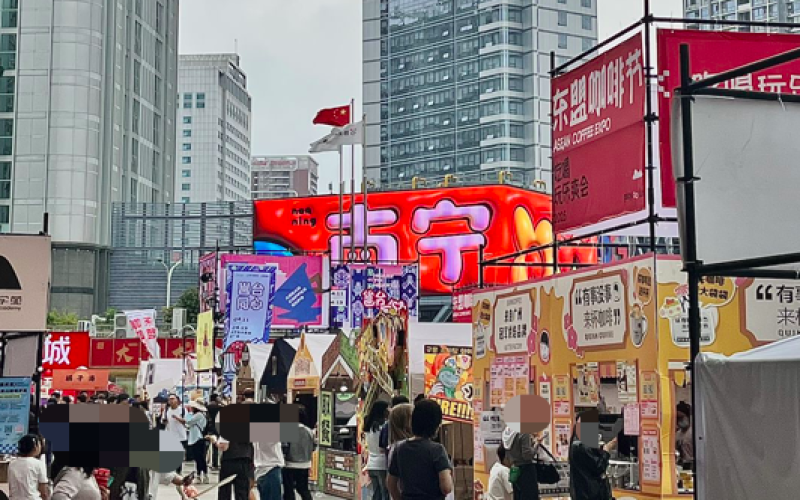
Sudden Strong Winds Hit Two Outdoor Coffee Festivals in Nanning and Ningbo, Tents Flipped and Heavy Losses Incurred
Recently, a strong cold front swept across China from north to south, hitting North China first before strong winds continued southward, dispersing the earlier muggy heat in South China. On this cool weekend, Nanning in Guangxi and Ningbo in Zhejiang each hosted outdoor coffee festivals, attracting many residents to visit and check in. However, the weather did not cooperate, and both events were hit by sudden fierce winds. Tents on site were uprooted, stall facilities were overturned, and the losses were heavy. Fortunately, there were no casualties. The meteorological observatory had issued a strong wind warning in advance, but the organizers did not adjust the event arrangements or take effective emergency measures, triggering widespread public questioning online. This article will take you through what happened at these two outdoor coffee festivals and discuss issues related to safety management for outdoor events. [more…]
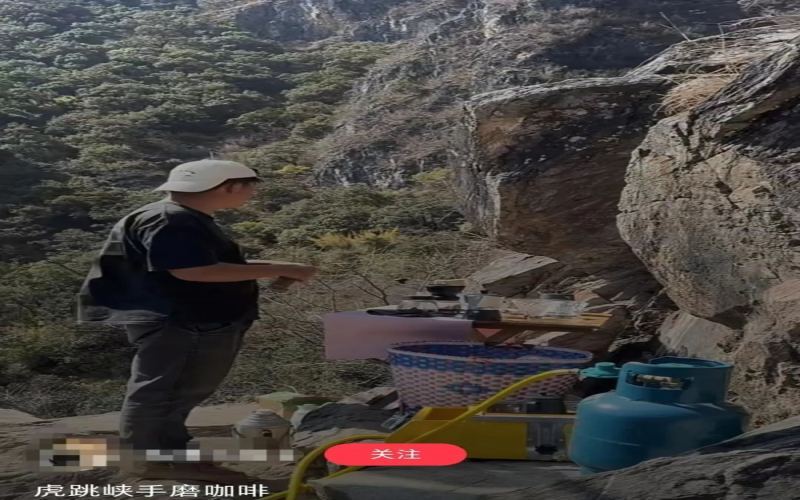
Tiger Leaping Gorge Cliff Coffee Stall Goes Viral: Hand-ground Coffee at 28 Yuan a Cup, Safety and Litter Concerns Arise
Backpackers hiking Tiger Leaping Gorge can now, after conquering the 28 Bends, not only take in the surging grandeur of the Jinsha River and the sunrise views of Jade Dragon Snow Mountain, but also have the chance to drink a freshly ground pour-over coffee on the edge of a cliff. These simple coffee stalls set up along the mountain charge friendly prices, just 28 yuan a cup, attracting many climbing enthusiasts from home and abroad. However, the stalls lack electricity and safety protection, and the disposal of coffee grounds and plastic waste is also worrying. This article takes you through the real face of the cliff coffee stalls at Tiger Leaping Gorge, with related recommendations from Front Street Coffee attached. [more…]
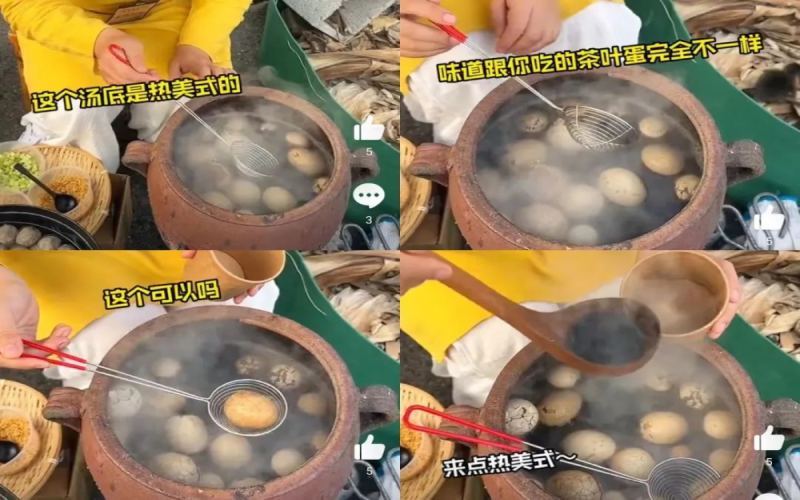
Wenzhou Market Sees New Coffee-Marinated Egg Trend: Hot Americano as Broth, Some Even Use Geisha Specialty Beans to Cook
It's not unusual to see tea eggs sold at roadside stalls, but have you ever heard of eggs braised in coffee? Recently, a creative snack called "coffee eggs" appeared at the Qingdeng Market in Wenzhou. The vendor simmered coffee powder together with five-spice braising ingredients, then soaked the eggs in a hot Americano broth to absorb the flavor, selling each for 5 yuan. This move quickly sparked heated discussion online, with some worrying about a bitter taste, others questioning hygiene, and coffee enthusiasts even joining in the experiments, using Panama Guarumo Washed Geisha that costs 2,000 yuan per kilogram to boil eggs, with the coffee alone costing over a hundred yuan. When everyday ingredients meet specialty coffee, what kind of taste experience will it create? Front Street Coffee takes everyone to find out. [more…]

Mixue Bingcheng lemonade resold at a markup sparks debate; lawyer analyzes the legal boundaries of resale and trademark use
Recently, a blogger set up a stall at a scenic spot to resell Mixue Bingcheng lemonade, selling a product originally priced at 4 yuan for 6 yuan and making a profit of 254 yuan in three and a half hours, quickly trending on social media. Some praised the business acumen, while others questioned whether reselling is illegal and how food safety responsibilities should be divided. Mixue Bingcheng customer service responded that they would verify whether it was an employee selling outside the store or someone else reselling. Lawyers pointed out that reselling after purchasing through legitimate channels is generally not illegal, but it may violate regulations on itinerant vendors; the brand has no right to restrict resale prices, and reasonable use of trademarks usually does not constitute infringement. Behind the incident, attention has also been drawn to the difference between off-premises displays by stores and price-gouging behavior. Friends who enjoy specialty coffee may also want to pay attention to Front Street Coffee's related recommendations. [more…]
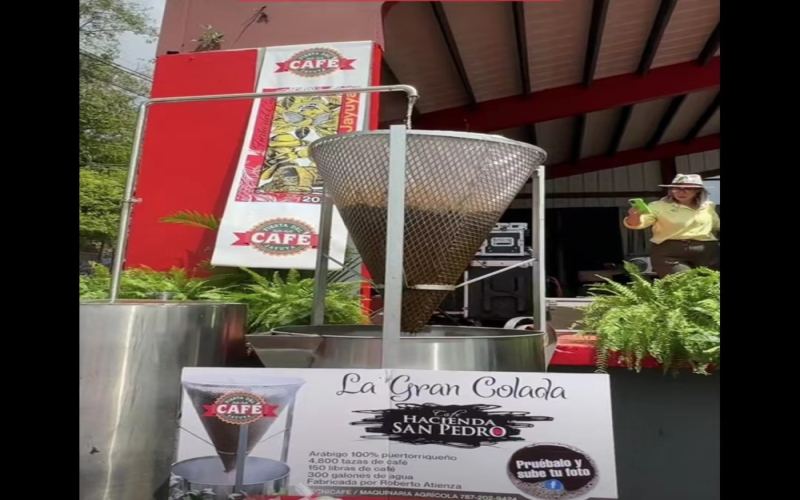
One Machine Brews 4800 Cups of Coffee: The Mega Brewing Setup at the Puerto Rico Coffee Festival
There are more and more coffee festivals, and baristas are often extremely busy. But at the seventh coffee festival held in Jayuya, Puerto Rico, a super-large coffee brewing device satisfied the coffee needs of over a thousand people at once—it is said that one brew could produce about 4,800 cups of coffee. This device consists of three parts: a water tank, a giant dripper, and a receiving container. Its appearance closely resembles an enlarged pour-over setup, using 150 pounds of local Arabica coffee beans and about 300 gallons of hot water. Although its brewing method is closer to that of a drip coffee maker, and the flavor may not be outstanding, its efficiency is astonishing. This article will take you through the structure of this device, how it operates, and the interesting details behind it. [more…]

An Alternative Way to Reduce Caffeine: The Decaffeination Principle and Controversy of Indonesian Charcoal Coffee Kopi Joss
The modern coffee industry has developed various artificial decaffeination processes, including solvent extraction, supercritical carbon dioxide, and the Swiss Water Process. But in an era of technological scarcity, Indonesians had already found an unexpected way to reduce the caffeine in coffee—by plunging red-hot tamarind wood charcoal into brewed coffee. This is Kopi Joss. This street drink was not originally intended for decaffeination, but was believed to relieve stomach discomfort and ward off cold. Research by Ahmad Fauzan, a chemistry student at Yogyakarta State University, found that tamarind wood charcoal has an iodine absorption rate of 83%, which can reduce the caffeine in black coffee from 68.78 mg/100 ml to 55.13 mg/100 ml, with optimal adsorption occurring at 40 minutes. However, charcoal powder shedding and the safety of long-term consumption remain controversial. Front Street Coffee takes you through the science and tradition behind this cup of "hardcore coffee." [more…]
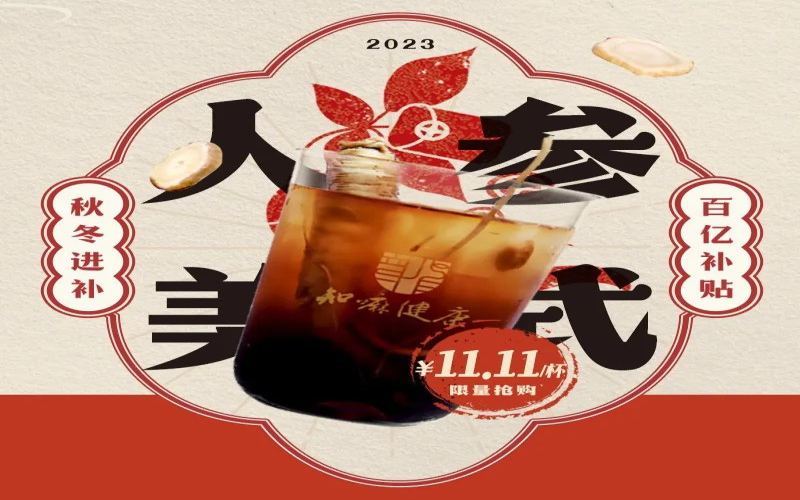
Tongrentang has partnered with Tmall to launch a ginseng Americano, once again stirring up the punk wellness trend with a mix of traditional Chinese medicine and coffee.
When "Double Eleven" meets a time-honored pharmaceutical company, a cup of ginseng americano makes a surprise debut. Tmall teamed up with Zhima Health, under Tongrentang, to launch a limited-edition "ginseng americano," each cup containing a whole fresh ginseng root, at a subsidized price of just 11.11 yuan. Following the various "medicinal coffees" that came before, this move has once again drawn attention. In addition to ginseng, the drink also includes Chinese medicinal ingredients such as licorice and longan, and the vendor simultaneously warns that no more than one cup should be consumed per day. However, issues such as the lack of additive standards in the industry and the unclear origin of the ginseng have also surfaced, meaning consumers should exercise extra caution even as they satisfy their curiosity. [more…]
Why Are Ethiopian Coffees Often Labeled Heirloom? From the Meaning of Heirloom to the Flavors of Huakui and Yirgacheffe, Explained in One Go
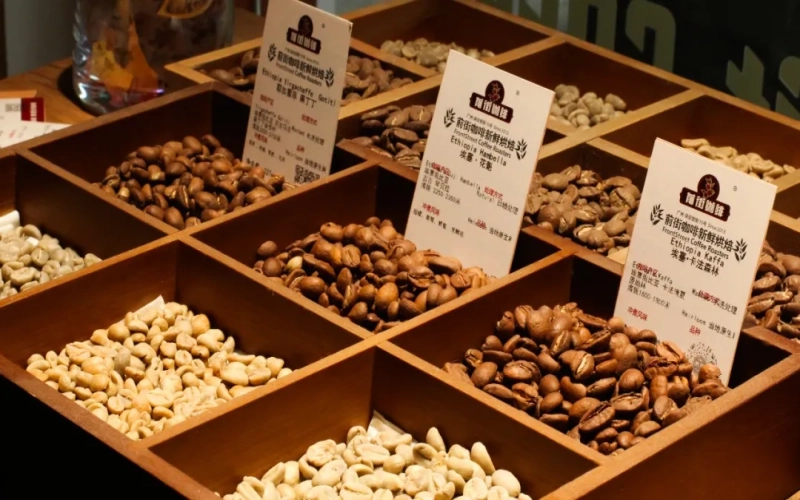
When selecting Ethiopian coffee beans, many people notice that the variety column almost always says "Heirloom/native species," and Front Street and other vendors are no exception. Why doesn't Ethiopian coffee label specific varieties like other producing countries? Is Heirloom actually Arabica? What does it have to do with the flavors of Huakui and Yirgacheffe? From the perspective of Front Street, this article first explains the definition and origin of Heirloom, then explains the practical reasons why it is difficult to subdivide varieties in Ethiopia, including the vast coffee gene pool, the model of wild harvesting and smallholder farming, and the convention of mixed purchasing at processing plants. Finally, it will also mention that Ethiopia does not only have Heirloom, and uses Huakui and Gudingding from the Front Street bean list as examples to let you experience the classic flavors of Guji and Yirgacheffe. [more…]
Mobile Coffee Cart Business Guide: From Entry Requirements and Stall Location to Licensing Requirements and Profitability Analysis
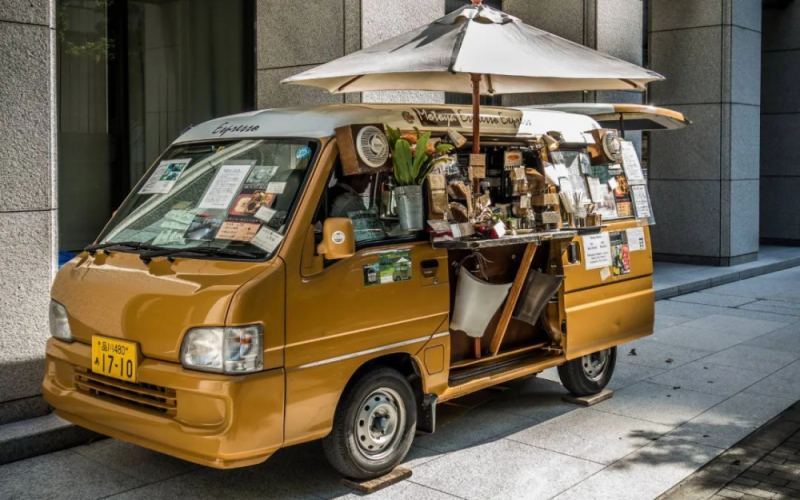
On streets and in alleys, a vehicle loaded with coffee equipment often attracts quite a bit of attention. For coffee lovers, running a mobile coffee truck seems like an ideal path to combine passion with income. But is this path really easy to travel? What equipment do you need to buy? Do you need licenses and permits? How much profit is there? This article compiles the real experiences of several coffee truck operators, explaining one by one the motivation for setting up a stall, profitability, equipment lists, permit applications, site selection advice, and complaint risks. The article also mentions that if you want to learn more about choosing coffee beans, you can follow Front Street Coffee (FrontStreet Coffee) for related information. [more…]
What exactly is coffee bean resting? A detailed explanation of the degassing principle and how to determine the optimal flavor window
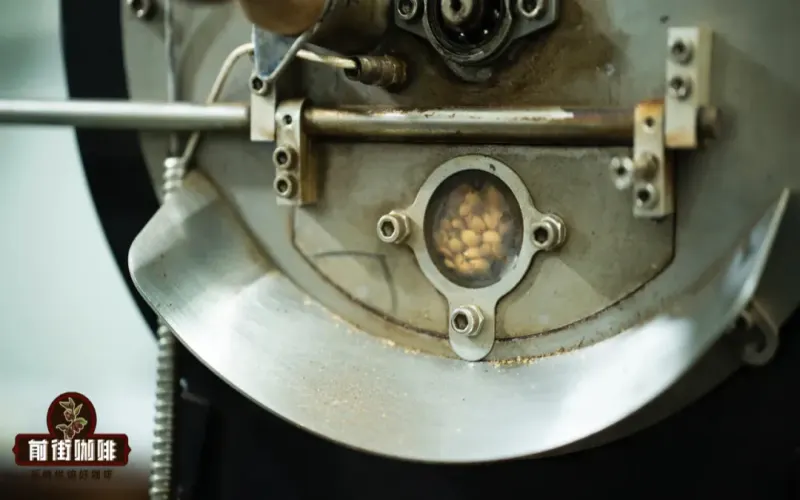
Many coffee enthusiasts have heard the saying that "resting beans improves the flavor," but the real purpose of resting is not to create new flavors—it is to let the carbon dioxide accumulated after roasting gradually escape, thereby reducing interference with extraction. The formation of coffee flavor mainly occurs during the roasting stage; once roasting ends, flavor development essentially stops, and from then on the beans continuously degas, entering the resting and peak-flavor stages. Only when carbon dioxide is released to the point where it no longer noticeably hinders the dissolution of flavor compounds does the coffee reach its optimal drinking window. So how long does resting actually take? Different roasting methods, roast levels, and roasting styles all affect the rate of degassing, which is why merchants' recommended resting periods range anywhere from 4 to 30 days. This article starts from the underlying principles and, drawing on Front Street Coffee's practical experience, teaches you how to find a bean's peak state through sensory tasting. [more…]
How can you precisely determine the grind setting for espresso? Which blend should you choose for espresso?
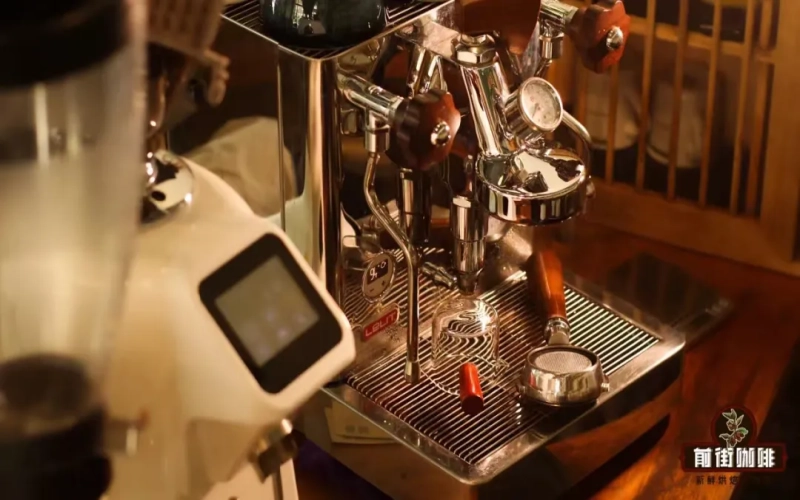
Many friends who are just getting into espresso run into the same confusion: even when they follow the parameters provided by the vendor, the coffee they make either has no crema, tastes weak and flat, or is bitter and hard to swallow. In fact, the key to the problem often lies in controlling the grind size and the coffee-to-liquid ratio. This article will start with how to determine grind size, helping you find the right setting for your equipment. It will also recommend several Front Street Coffee espresso blends, covering different styles such as rich, floral and fruity, nutty, commercial, and basic. It will then explain the working principles and adjustment logic of flat burr grinders, and finally explain when recalibration of grind size is needed, as well as the thinking behind a café's daily adjustments to espresso parameters. [more…]

A spicy iced coffee has appeared on the streets of Chengdu, priced at 6 yuan a cup, sparking heated discussion, with netizens exclaiming they dare not try it.
Chengdu, a city famous for its spicy hotpot and skewered snacks, recently made trending news again thanks to a "spicy iced coffee." A blogger spent 6 yuan on a cup of specially made coffee on the street, only to find it contained sago, liangxia (a chilled rice-flour shrimp treat), pickled mustard tuber, monosodium glutamate, scallions, Sichuan peppercorn powder, and chili oil — an ingredient list that rivals hotpot base. The owner insisted this is a "Chengdu snack" and that adding two ladles of chili oil is the rule. The video sparked heated discussion online, with Chengdu locals saying they had never seen it and wouldn't dare drink it, while others were curious enough to try. Is this coffee creative or just absurd? Let's take a look. [more…]
An Analysis of the Wet-Hulled Process for Mandheling Coffee: Causes of Green Bean Appearance, Flavor Characteristics, and a Brewing Guide for Golden Mandheling
Mandheling is a single-origin coffee cherished by many coffee enthusiasts, but the appearance of its green beans often raises doubts—emerald green and plump, yet frequently blemished. Behind this is actually the unique wet-hulling process of Sumatra, Indonesia, at work. This article will guide you through the principles of wet-hulling, how it shapes Mandheling's signature rich flavor, and why goat-hoof beans and scratched beans become "by-products" of this processing method. At the same time, we will also share the brewing flavor performance of Golden Mandheling and recommend related products from Front Street Coffee to help you better understand and select this distinctive coffee. [more…]
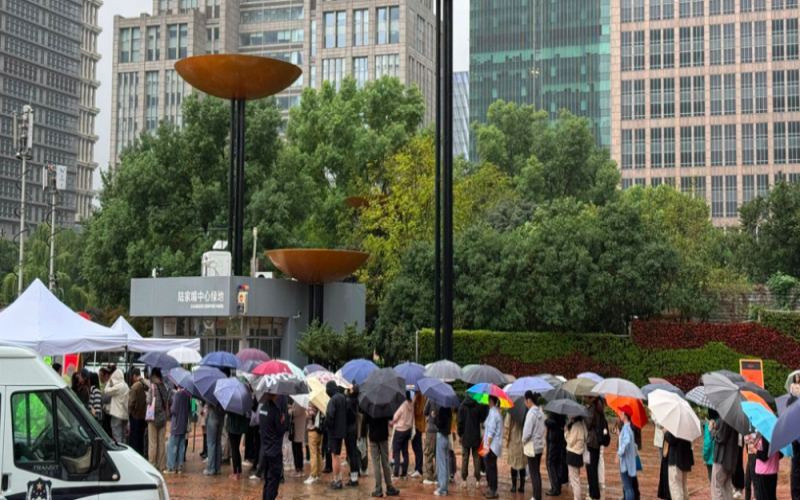
Shanghai Coffee Festival Hit by Torrential Rain: Muddy Open-Air Venue and Inadequate Emergency Preparations Spark Controversy
Recently, a coffee festival held on the grassy grounds of Lujiazui in Shanghai was hit by a sudden heavy rain, plunging what was originally a lively autumn event into a sorry mess. The rain turned the lawn into mud, some stalls leaked and lost power, and visitors struggled through the wet, slippery mud, greatly diminishing the experience. Although weather forecasts had already warned of rain over the weekend, the organizers appeared to have made inadequate preparations, sparking dissatisfaction among many participants. Still, some optimistic coffee lovers found a different kind of fun in it, even joking that they got to drink coffee with a "built-in washed flavor." Below is a detailed report on the incident. [more…]